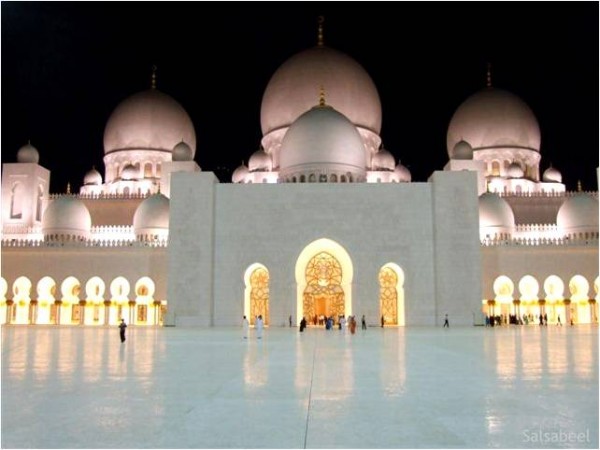
Sheikh Zayed Mosque in Abu Dhabi is the largest mosque in the United Arab Emirates and the eighth largest mosque in the world. It is named after Sheikh Zayed bin Sultan Al Nahyan, the founder and the first President of the United Arab Emirates, who is also buried there. The mosque was officially opened in the Islamic month of Ramadan in 2007.
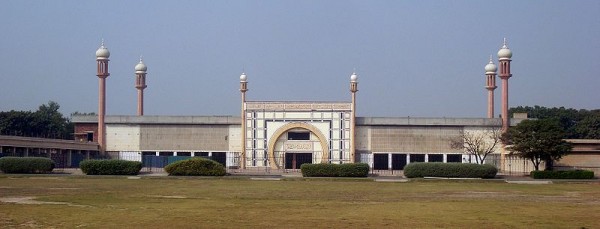
7. Badshahi Mosque, Lahore, Pakistan
The Badshahi Mosque or the Emperor„¢s Mosque in Lahore is the second largest mosque in Pakistan and South Asia and the seventh largest mosque in the world. Epitomising the beauty, passion and grandeur of the Mughal era, it is Lahores most famous landmark and a major tourist attraction. Capable of accommodating 10,000 worshippers in its main prayer hall and a further 100,000 in its courtyard and porticoes, it remained the largest mosque in the world from 1673 to 1986 (a period of 313 years), when overtaken in size by the completion of the Faisal Mosque in Islamabad. Today, it remains the second largest mosque in Pakistan and South Asia and the fifth largest mosque in the world.

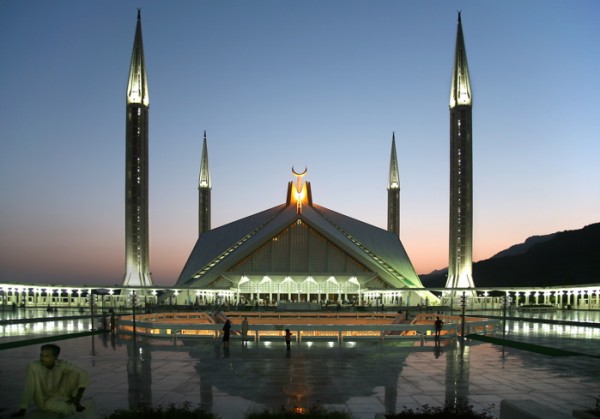
6. Faisal Mosque, Islamabad, Pakistan
The Faisal Mosque in Islamabad is the largest mosque in Pakistan and South Asia and the sixth largest mosque in the world. It was the largest mosque in the world from 1986 to 1993 when overtaken in size by the completion of the Hassan II Mosque in Casablanca, Morocco. Subsequent expansions of the Masjid al-Haram (Grand Mosque) of Mecca and the Al-Masjid al-Nabawi (Prophets Mosque) in Medina, Saudi Arabia during the 1990s relegated Faisal Mosque to fourth place in terms of size. Faisal Mosque is conceived as the National Mosque of Pakistan. It has a covered area of 5,000 m2 (54,000 sq ft) and has a capacity to accommodate approximately 300,000 worshippers (100,000 in its main prayer hall, courtyard and porticoes and another 200,000 in its adjoining grounds).
5. The Hassan II Mosque
Located in Casablanca is the largest mosque in Morocco and the fifth largest mosque in the world. Designed by the French architect Michel Pinseau and built by Bouygues.[1] It stands on a promontory looking out to the Atlantic, which can be seen through a gigantic glass floor with room for 25,000 worshippers. A further 80,000 can be accommodated in the mosques adjoining grounds for a total of 105,000 worshippers present at any given time at the Hassan II mosque. Its minaret is the worlds tallest at 210 m (689 ft).

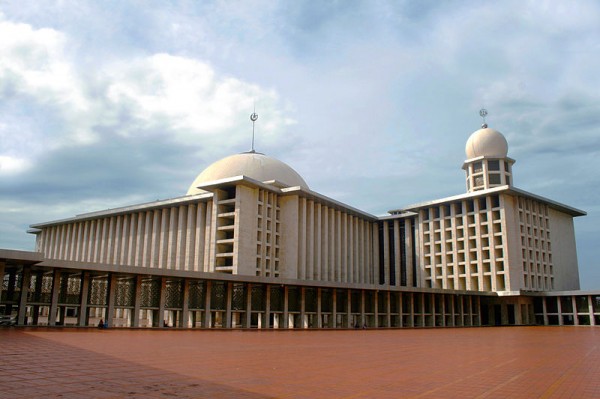
4. Istiqlal Mosque
Istiqlal Mosque, or Masjid Istiqlal, in Jakarta, Indonesia is the largest mosque in Southeast Asia in term of capacity to accommodate people. However in term of building structure and land coverage, Istiqlal is the largest in Southeast Asia and fourth largest in the world. This national mosque of Indonesia was build to commemorate Indonesian independence, as nations gratitude for Gods blessings; the independence of Indonesia. Therefore the national mosque of Indonesia was named "Istiqlal, an Arabic word for "Independence.
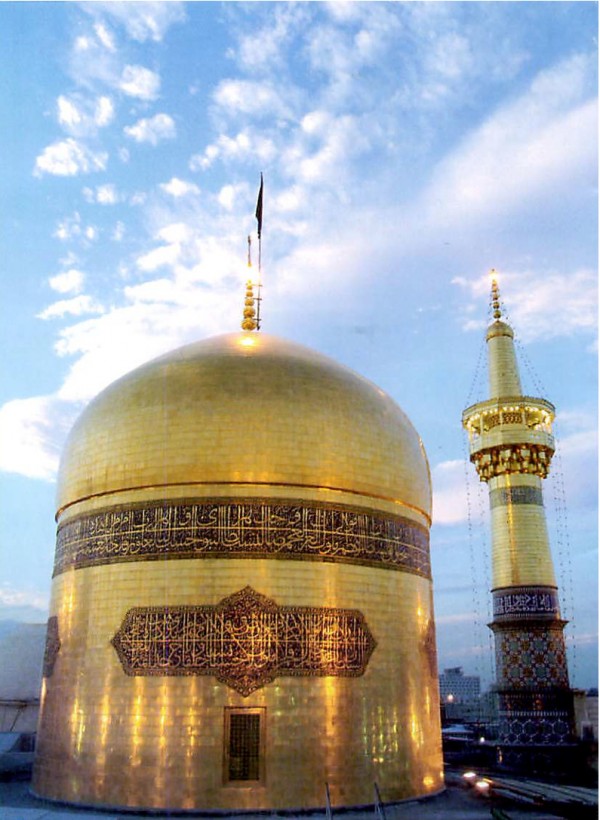
3. Imam Reza Shrine
Imam Reza Shrine in Mashhad, Iran is a complex which contains the mausoleum of Imm Ridha, the eighth Imam of Twelver Shiites and known as third largest mosque of the world. Also contained within the complex include: the Goharshad Mosque, a museum, a library, four seminaries, a cemetery, the Razavi University of Islamic Sciences, a dining hall for pilgrims, vast prayer halls, and other buildings.
2. Al-Masjid al-Nabawi
Al-Masjid al-Nabawi "Mosque of the Prophet), often called the Prophets Mosque, is a mosque situated in the city of Medina. As the final resting place of the Islamic Prophet Muhammad, it is considered the second holiest site in Islam by both Shia and Sunni Muslims (the first being the Masjid al-Haram in Mecca) and is the second largest mosque in the world.
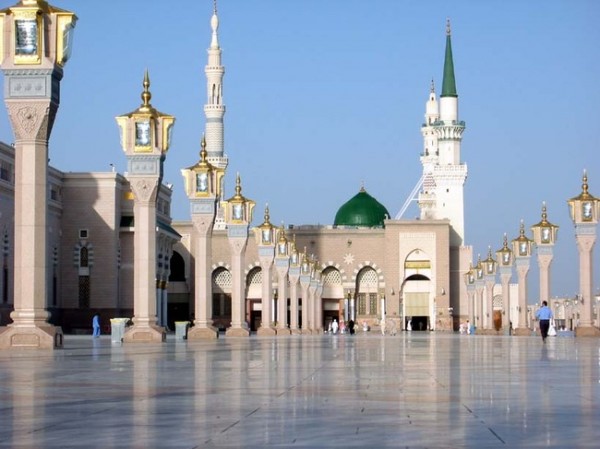
1. Masjid al-Haram, Mecca, Saudi Arabia
Masjid al-Haram is the largest mosque in the world. Located in the city of Mecca, it surrounds the Kaaba, the place which Muslims worldwide turn towards while offering daily prayers and is Islams holiest place. The mosque is also known as the Grand Mosque. The current structure covers an area of 4,008,020 square metres (990.40 acres) including the outdoor and indoor praying spaces and can accommodate up to four million Muslim worshippers during the Hajj period, one of the largest annual gatherings of people in the world.





No comments:
Post a Comment